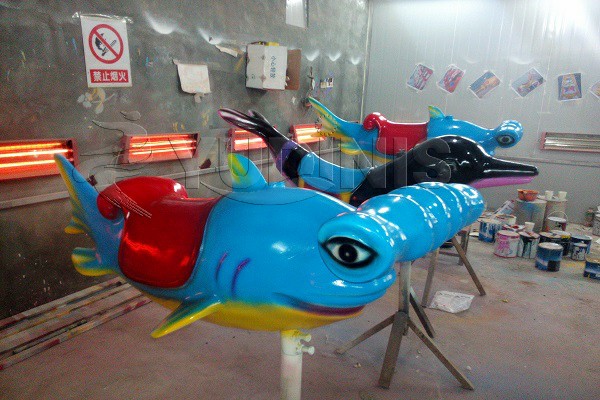
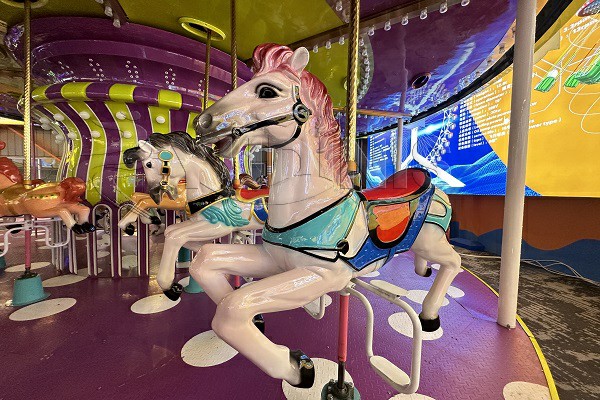
A luxury carousel can be installed inside a shopping mall, but feasibility must be proved by engineering and operating reviews. The ride introduces concentrated loads, rotating equipment, queue traffic, emergency egress, noise, lighting, and maintenance activity into a building designed primarily for retail use.
A mall owner considering a Amusement park luxury carousel ride for sale should review the floor structure, ceiling clearance, building services, fire strategy, and management procedures before selecting the carousel model. The project is possible when those issues are coordinated early.
Start with Structural Floor Loading
The building’s structural engineer must confirm that the slab and supporting frame can carry the carousel, guests, queue, machinery, and dynamic loads. A mall floor that feels solid at walking load may have a very different capacity under a rotating attraction.
The supplier should provide foundation reactions, equipment weights, the ride envelope, and anchor requirements. The building engineer then reviews the load path and any reinforcement or transfer structure needed. The decision cannot be based on floor thickness alone.
| Engineering item | Information needed | Review purpose |
|---|---|---|
| Floor slab | Carousel base, reactions, and anchor layout | Confirm local and global structural capacity |
| Building frame | Columns, beams, and load path | Avoid overloading concealed elements |
| Vibration | Motor, drive, and rotating-load behavior | Protect structure and nearby tenants |
| Anchors | Layout, edge distances, and installation method | Maintain concrete and steel capacity |
Any reinforcement or cut opening should be designed and inspected by qualified engineers. A Concrete slab can be suitable for some mall projects, but its capacity must be verified for this specific ride and location.
Review Ceiling Height and Ride Envelope
The carousel needs clearance for the rotating canopy, lights, vehicle movement, and maintenance. Ceiling services such as ducts, sprinklers, cable trays, signs, and decorative elements must remain outside the operating envelope.
Check the complete swept volume, not only the highest decorative point. The review should also include temporary lifting equipment and access for assembling the ride.
Plan the Queue and Emergency Egress
A shopping mall carousel can attract a dense queue in a central atrium or retail concourse. The layout must preserve shopping-center circulation, emergency exits, fire-service access, and clear routes for other tenants.
- Keep the queue outside primary escape routes.
- Provide clear entry and exit from the platform.
- Coordinate gates with mall security and emergency plans.
- Keep maintenance doors and equipment access unobstructed.
- Confirm capacity rules with the local authority.
Control Noise, Lighting, and Vibration
Indoor operation can amplify motor hum, music, guest noise, and structural vibration. The carousel may operate close to offices, restaurants, cinemas, or retail spaces with different expectations.
Review the drive and control system with the building acoustician and engineer. Lighting should provide the intended atmosphere without glare or heat affecting nearby areas.
Coordinate Power, Controls, and Ventilation
The electrical design must provide a safe supply, isolation, protection, and enough space for controls. Cable routes should not conflict with mall services or block maintenance access.
An indoor carousel also needs suitable ventilation and heat management around motors, controls, and lighting. The plant location should be accessible without crossing guest areas.
Select the Carousel for the Building
Model size, platform diameter, canopy height, and passenger capacity affect whether the ride fits. A smaller or customized carousel may be more suitable for an atrium with limited columns and ceiling height.
A shopping mall carousel floor loading should include the floor and ceiling engineering scope, not only the equipment. The analysis of the luxury carousel investment recovery period should include installation, disruption to mall operations, and long-term maintenance.
Plan Installation Around Mall Business
Confirm the structural review before procurement
Make the building engineer’s review a condition before finalizing the carousel specification. Confirm floor reactions, anchor details, temporary installation loads, and any strengthening work. This sequence prevents the mall from ordering a ride that later cannot be approved in the proposed location.
Carry the approved assumptions into construction drawings, the installation checklist, and handover records. This keeps later changes visible.
Delivery and assembly may need to occur outside mall hours. Lifting equipment has to reach the installation area without closing critical fire routes or damaging finishes. Delivery sections should fit through service doors and corridors.
- Measure every doorway and vertical transport route.
- Confirm floor protection and temporary staging.
- Coordinate noise and dust with tenants.
- Keep fire exits available throughout the work.
- Test the ride before the concourse reopens.
Establish a Maintenance Plan
The compare maintenance kits with the design team and compare which components need routine access. The carousel should not require aisle closures every day, and safety-critical checks must remain practical under mall traffic.
Review spare parts, tools, storage, and access permissions. Cleaning and inspection intervals should fit the mall’s operating calendar.
Use an Experienced Project Team
The Dinis indoor carousel engineering can provide ride reactions and technical drawings, but the building’s own engineer remains responsible for the structure and services. The interfaces should be recorded in one coordinated model.
A shopping mall ride supplier with indoor project experience can help align the ride model with mall requirements. The result should be reviewed by the building owner, fire consultant, structural engineer, and operator before approval.
Is an Indoor Mall Installation Feasible?
Yes, but it is an engineered building project, not a simple equipment purchase. Confirm floor loading, clearance, queue routes, egress, services, noise, vibration, and maintenance access. When these constraints are solved together, a luxury carousel can become a distinctive anchor for the mall.