Cities in Africa are growing faster than almost anywhere else, and a large share of the population is young. That combination is attractive to entertainment investors, but a park planned for a mature market will not fit: the infrastructure, the spending patterns and the visitor habits are different.
This article sets out how to plan an amusement park for a growing African city. It sits alongside a how much does it cost to build an amusement park budget, where infrastructure reliability is a cost line rather than an assumption.
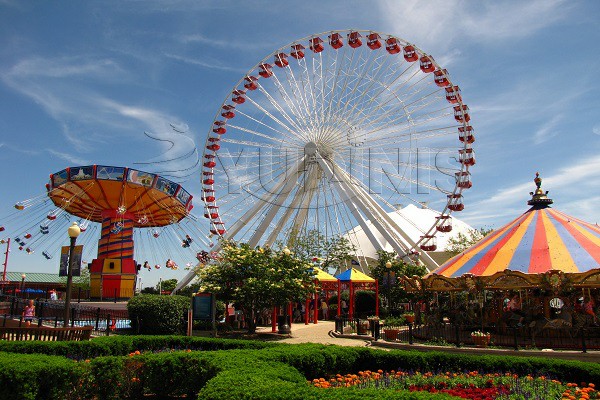
Start With the City’s Real Infrastructure
Power interruptions, water availability and road access vary widely between cities and even between districts. A park that assumes uninterrupted power will fail on its first busy weekend.
Plan for standby generation, water storage and a site that can be reached by public transport as well as cars. These are not optional extras; they determine whether the park can open reliably.
Design for Affordability
Ticket prices must match local incomes. That usually means a lower price point with higher volume, and a mix of free and paid attractions so families can choose what they can afford.
Food, drink and party packages often contribute more than ride tickets in this market. Design the outlets accordingly.
Plan for Young Visitors
Many African cities have very young populations. Family and children’s attractions should dominate the first phase, with thrill rides added as the market matures.
A amusement park in Africa that opens with a heavy thrill-ride list may price out the audience it needs.
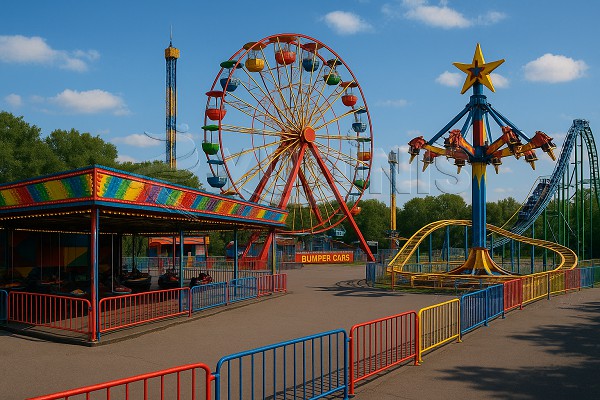
Phase the Build
Land may be available, but capital is often the constraint. A first phase with a small ride list, a strong food offer and room to expand is usually more viable than a complete park built at once.
Reserve the infrastructure capacity for later phases: power, drainage and access are much cheaper to size at the start than to upgrade later.
Work With Local Authorities Early
Permits, land use and safety approval processes can take time. Engage the local authority at the planning stage and confirm the requirements for imported rides before ordering.
A clear approval route protects the opening date.
Train Locally
A park creates a large number of operational jobs. Recruiting locally is both a cost advantage and a community benefit, but it requires a structured training programme for operators and maintenance staff.
Suppliers should provide training materials and on-site training as part of the order.
Plan for Climate and Shade
Heat, rain and dust vary across the continent. Shade, covered walkways and durable finishes extend the usable hours and reduce maintenance.
Lighting extends trading into the evening, when families are free. Efficient LED systems reduce the load on an unreliable grid.
Build a Defensible Investment Case
Model attendance conservatively, include the cost of standby power and water, and test the park at 60 percent of the forecast. A amusement park development in emerging markets plan that survives that test is financeable.
Dinis supplies rides for emerging markets and works as an amusement park rides manufacturer, providing equipment and infrastructure data suited to local conditions. An African city amusement park planning from Dinis review can be prepared for the site: https://www.kidsparksolutions.com/how-much-does-it-cost-to-build-an-amusement-park/