Adding water attractions to a working theme park is one of the most attractive expansion options available to operators: it raises ticket value, extends the season, and uses land that may already be underused. The difficulty is that the park must keep operating and earning while construction takes place. This guide explains how to plan adding a water park zone to an existing park without disrupting current operations.
Design the Zone as a Separate Loop
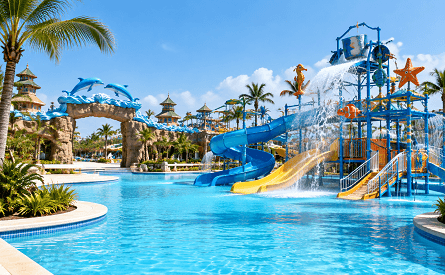
The first decision is circulation. A water zone should have its own entrance, changing facilities, and exit so that wet guests do not walk through dry attractions. If the zone can operate on an independent loop, construction can be phased while the rest of the park continues normally, and the new area can later open before the remainder of the expansion is finished. Treating the expansion as a water park expansion for theme parks with its own guest journey also simplifies staffing and cleaning routines.
Phase the Construction Programme
Construction should follow the park’s operating calendar. Earthworks and heavy concrete works are best scheduled in the low season, while slide installation and theming can be completed during quieter weeks. Temporary hoardings, separate delivery routes, and off-hours working keep construction traffic away from guests. Where the site permits, prepare the plant room and water treatment area first, because those works create the most noise and dust.
Check Utilities and Water Treatment Capacity
Water attractions place significant demand on water supply, filtration, and drainage. Before design begins, confirm the capacity of existing supplies and the location of discharge points. In many expansions, additional tanks, filtration plant, and chemical dosing rooms are required, along with a dedicated electrical supply for pumps and lighting. A reference project such as the outdoor amusement park project in Malaysia shows how water zones, plant rooms, and circulation areas are organised at scale.
Separate Construction Access from Guest Routes
Every material delivery – concrete, fiberglass slides, steel, and plant equipment – needs a route that avoids guest areas. Agree a construction gate, delivery hours, and a temporary storage area with the installation contractor, and make sure cranes can be positioned without closing rides. Clear signage at the boundary helps guests understand that the park is improving rather than closing.
Manage Noise, Dust, and Visual Impact
Guests forgive construction if it is contained. Solid hoardings reduce noise and dust, and themed graphics on the hoarding can turn the works into a marketing message about what is coming. Keep the noisiest activities outside peak visiting hours, and monitor dust near food outlets and children’s areas. A visible completion date on the hoarding reassures visitors and encourages return visits.
Open in Stages and Integrate Ticketing
Phased opening reduces risk: launch the main pool and slides first, then add secondary attractions and food outlets. Integrate the new zone into existing ticketing, season passes, and park maps from the first day, and train staff on the changed routes. Collect feedback during the first weeks and adjust capacity, shade, and seating before the peak season.
Careful planning lets a park add water attractions without losing revenue from the attractions it already operates. Work with an experienced Dinis theme park project supplier that can phase design, equipment supply, and installation around your calendar, and review the fundamentals of a modern water slide when specifying the new attractions. To discuss layouts, phasing, and budgets, visit https://themeparkprojects.com/water-park-solution/ and request a tailored plan.