A carousel can become the emotional center of a park. Families return to it before leaving, and couples use it as a meeting point. That role makes the choice between standard and luxury equipment more than styling. It affects the first quote, the guest experience, the operating routine, and the park’s marketing story.
The better-value choice is not automatically the lower purchase price. It is the model that earns the strongest contribution over its working life without creating avoidable operating friction. A family park, resort, and destination attraction can reach different conclusions from the same comparison. Buyers can inspect a Amusement park luxury carousel ride for sale and compare it with conventional alternatives using consistent criteria.
What “Value” Means for a Carousel Project
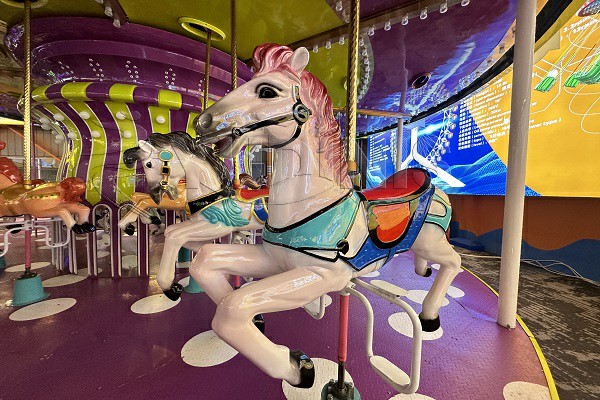
Value begins with the role the ride must perform. A standard carousel may support a broad ride mix, while a luxury carousel often anchors a plaza, completes a themed area, or supports premium events. The specification should therefore connect directly to a commercial objective.
| Decision area | Standard carousel | Luxury carousel |
|---|---|---|
| Primary advantage | Straightforward equipment with fewer finish choices | Strong visual identity and greater design flexibility |
| Capital planning | Usually easier to fit into a tight equipment budget | Requires a broader budget for finish, theming, and detailing |
| Guest perception | Familiar, colorful family attraction | Can be presented as a signature experience or photo location |
| Maintenance routine | Fewer decorative surfaces to inspect and clean | More finishes and details require a disciplined care plan |
| Marketing potential | Relies mainly on the ride experience | Supports storytelling, events, and premium park imagery |
| Best fit | Value-focused parks with a broad ride selection | Resorts, destination parks, and high-visibility public spaces |
This framework does not promise that every expensive option earns more. A luxury finish that does not match the audience adds cost without meaningful appeal, while an inexpensive carousel in a premium area may weaken the environment.
Purchase Cost Versus Total Cost of Ownership
The initial quotation is only the beginning. Buyers should compare foundation work, transport, installation, commissioning, training, spare parts, cleaning, and inspections. A design that is difficult to service can cost more over time than its first quote suggests.
Standard models suit a dependable family ride with a limited capital budget. Fewer decorative surfaces can simplify repair, allowing the park to direct funds toward landscaping, signage, or other attractions.
A luxury model changes the equation when its appearance helps sell a larger experience. The business case should show how the ride supports tickets, parties, hotel packages, photography, or the surrounding area’s identity. If those benefits are realistic, the extra cost can be justified. If the carousel is hidden and guests already have several similar rides, heavy decorative spending is harder to defend.
Capacity, Circulation, and Guest Flow
Size labels do not tell the whole operating story. A 16 vs 24 vs 36 seat carousel should be assessed by platform layout, boarding, ride cycle, operator visibility, and space around the entrance and exit. Larger models carry more guests only when loading is efficient and the surrounding path absorbs the crowd.
Small and medium parks should study peak family traffic. An undersized carousel creates queues, while an oversized model can leave empty horses and feel underused on weekdays. The right size sits between those conditions, with room to grow.
- Measure the complete operating envelope, including fencing and queue space.
- Confirm that maintenance access does not block guest routes.
- Review boarding and unloading with the operator before approving the layout.
- Match size to realistic peak demand.
Energy and Daily Operating Discipline
The drive system, lighting, controls, and opening hours influence operating cost. Buyers should ask how lighting and controls can be managed outside peak periods. Understanding carousel electricity consumption is especially useful for parks with long opening hours or evening operation.
Energy use belongs in the operating plan, not a single headline rating. A ride with extensive decorative lighting needs a different evening routine from a simpler model. Ask which circuits can be controlled independently and which settings are required for safety.
Maintenance Planning
Both types need daily checks, periodic inspection, lubrication where specified, fastener checks, electrical inspection, and record keeping. Luxury models add decorative elements, lighting, painted surfaces, and often complex theming. Those features should have an accessible cleaning and repair method.
Powder coating can provide a durable decorative finish when the substrate is prepared correctly and the coating is maintained. The metal beneath it still needs inspection near joints, anchors, and water exposure. A Powder coating finish can look clean in suitable applications, but it does not replace a complete corrosion-control plan.
Before signing, request a spare-parts list and maintenance schedule. Confirm that common parts can be sourced within a reasonable time and that the supplier provides drawings, wiring information, and operating limits.
Comparing Suppliers on More Than Price
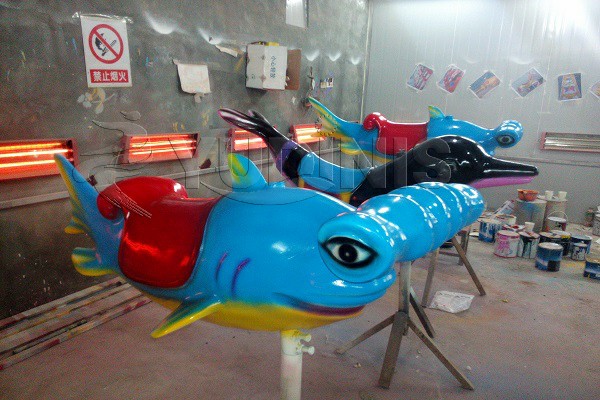
The manufacturing source matters because the project continues after delivery. Review comparable products, engineering drawings, quality control, packaging, installation support, documentation, and response times. A supplier that explains the trade-offs is more useful than one that simply quotes the lowest figure.
Ask each bidder to separate the base ride, theming, lighting, spare parts, shipping, and installation support. This makes proposals comparable and shows whether a low price excludes later purchases. Shortlisted suppliers should explain how site measurements affect the design.
For buyers evaluating carousel projects by Dinis, the useful question is not “which option looks more expensive?” but “which specification creates the most credible return for this location?”
A Practical Decision Framework
When a standard carousel is the stronger choice
A standard model can offer better value when the ride is one of many family attractions, capital is tight, and the park mainly needs dependable operation in a defined space. It also suits temporary events or areas due for redevelopment.
When a luxury carousel deserves the investment
A luxury carousel is more defensible when it is visible from the entrance, supports a resort identity, hosts celebrations, or creates a distinctive visual asset. The investment is strongest when design, landscaping, lighting, operations, and marketing are one package.
The questions that prevent a costly mistake
- What guest segment should the ride attract, and how often will it be used?
- Will a standard model meet that brief, or is visual differentiation essential?
- Does the proposed size fit both the available site and realistic peak demand?
- Can the park maintain the finishes and lighting with its existing team?
- Are transport, installation, spare parts, and training included in the comparison?
- Does the supplier offer coherent engineering and after-sales support?
Making the Final Choice
The strongest-value carousel fits the audience, operating model, and physical site without creating hidden pressure on maintenance or cash flow. A standard ride delivers excellent value when reliability and budget discipline lead. A luxury carousel delivers stronger value when its experience supports a larger commercial strategy.
Park operators should compare both approaches using one consistent checklist, then test the preferred option against real visitor flow and staffing conditions. As a commercial ride supplier and outdoor attraction partner, the manufacturing team can help turn those requirements into a workable specification. To inspect the specification sheet and review available configurations, send the site dimensions, expected audience, opening schedule, and preferred style to the supplier.