Ordering a Ferris wheel is not the same as buying a standard product from a catalogue. The wheel is designed around the site it will stand on, the wind and weather it will face, and the number of passengers it has to carry each hour. Buyers who check the right points before placing an order avoid the two most common problems in this market: a wheel that does not fit the site, and a supplier who disappears after delivery.
This checklist covers what to verify before signing with a manufacturer, and what documentation should exist before the first payment leaves your account. Buyers who are still comparing configurations can begin with the options described on this Ferris wheel for sale page.
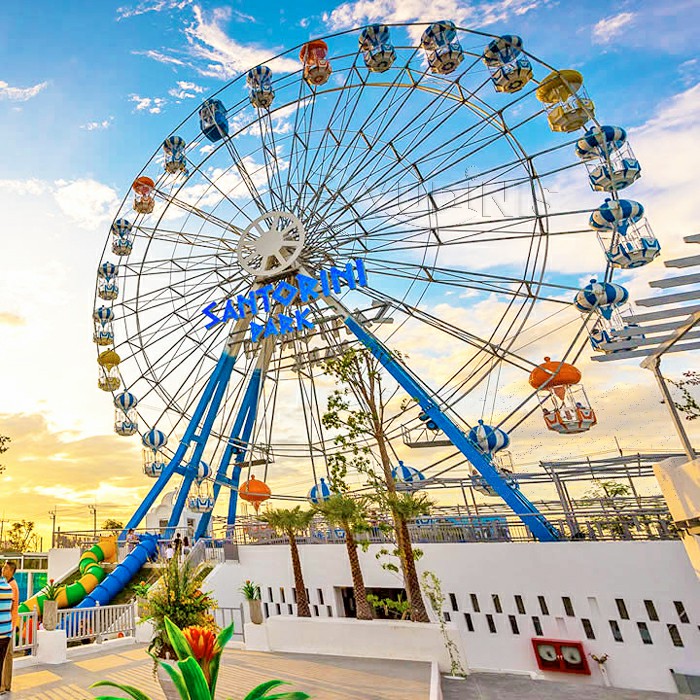
1. Confirm the Wheel Fits the Site, Not the Other Way Round
Height, wheel diameter and the footprint of the base structure all have to be checked against the actual plot. A wheel that looks impressive in a brochure may not clear local height restrictions, overhead lines or neighbouring buildings, and the base demands a load-bearing area that cannot be reduced after the design is fixed.
Ask the supplier for a site plan drawing showing the base footprint, the turning radius of the structure, and the clearance needed for assembly. Confirm the ground conditions with an engineer rather than relying on the assumption that the soil will hold.
2. Check the Structural and Mechanical Specifications
The quality of a Ferris wheel is decided by a small number of components. Before ordering, confirm the steel grade used for the main structure and the wheel rim, the design of the drive system and whether it has redundancy, the braking arrangement, and the wind resistance rating the wheel is designed for.
Materials handling is worth asking about in detail as well. Cabin shells, seats and decorative panels are produced in different materials and finishes, and buyers should know what they are getting – whether steel frames are hot-dip galvanised, what surface treatment is applied, and how the cabins are protected against corrosion in humid or coastal conditions.
3. Verify Safety Certification and Test Records
A commercial Ferris wheel is a passenger-carrying device, and the paperwork matters as much as the steel. Ask which standards the design follows, what factory inspection records will be provided, and whether the supplier can support the certification your own market requires.
Confirm in writing:
- Design and manufacturing standards applied
- Weld inspection and non-destructive testing records
- Electrical and control system documentation
- Load test procedure and results before shipment
- Emergency evacuation and rescue provisions
4. Understand What Is Actually Included in the Price
Ferris wheel quotations are not written to a common template. Two offers with similar headline prices can differ substantially in scope. Establish whether the price covers design drawings, the wheel structure, cabins, lighting, drive and control systems, spare parts, packing and shipping, supervision of installation, and commissioning.
Buyers who want a defensible comparison should request a commercial Ferris wheel for sale quotation that lists every inclusion and exclusion line by line, rather than accepting a single lump sum.
Buyers who purchase a Ferris wheel for sale from Dinis receive this breakdown as part of the quotation, so the full project cost is visible before the order is confirmed.
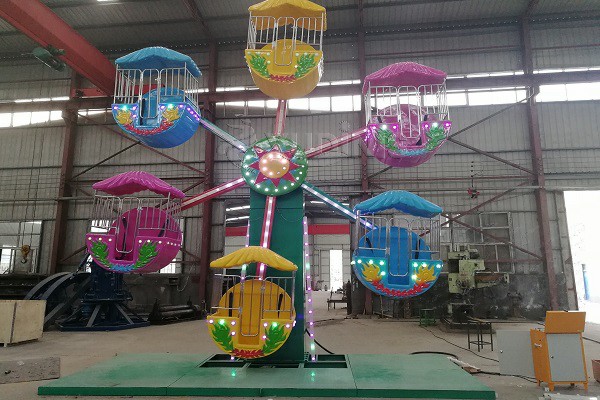
5. Agree the Shipping, Installation and Handover Plan
For overseas buyers, the project does not end at the factory gate. Confirm how the wheel will be packed and which containers will be used, who arranges freight and insurance, who is responsible for customs clearance, and whether the supplier sends engineers to supervise erection.
Installation supervision is one of the most common sources of delay. Where it is included, state the number of engineers, the duration, and how travel and accommodation are handled. Where it is not, budget for it separately before the equipment arrives.
6. Check the Project Record, Not Just the Brochure
A manufacturer’s ability to build a wheel is best judged by wheels that are already running. Ask for reference projects of comparable size, and look for evidence of installation support, customers who have ordered more than once, and photographs showing completed sites rather than rendered images.
Buyers ordering a large Ferris wheel for sale for a landmark location should ask specifically for experience with the height and the climate involved.
7. Confirm Warranty, Spare Parts and Service
Before ordering, settle the warranty period and what it covers, how spare parts are supplied after the warranty expires, and how quickly the supplier responds to a technical query. A wheel out of service for a missing part costs far more than the part itself.
It is also worth asking for the recommended maintenance schedule, since a documented programme of inspection and lubrication is what keeps a wheel operating safely for its full service life.
Working with a Manufacturer Directly
Ordering directly from the factory usually removes a layer of cost and gives the buyer access to the people who actually design and build the ride. It also means the buyer has to do the checking described above, because nobody else will do it on their behalf. Working with an established Ferris wheel manufacturer that provides drawings, certification, shipping documentation and installation support removes most of that risk.
Dinis has delivered Ferris wheels for parks, waterfronts and entertainment complexes, and supports buyers from configuration and site planning through installation and after-sales service. Send us your site dimensions, the height you have in mind and your target capacity, and we will tell you which configuration fits – and what it takes to get it running.
Full specification reference: https://www.kidsparksolutions.com/ferris-wheel-for-sale/