Define the Project Before Setting the Calendar
An indoor playground project moves more smoothly when the opening date is treated as the end of a coordinated sequence rather than a single target handed to the supplier. The first stage defines the venue’s audience, usable floor area, operating hours, admission model, and commercial priorities. Site measurements, ceiling clearances, column positions, access routes, and local approval requirements should be collected at the same time. The owner then agrees who can approve the concept, budget, and final drawing, because delayed decisions can compress every later stage. A realistic indoor playground turnkey project timeline starts with these facts and records them in a short project brief. It also separates fixed requirements from optional ideas, making it easier to protect safety, circulation, and essential play value if the budget changes. Before anyone draws a finished layout, the team should confirm the age mix, expected peak occupancy, food and party areas, buggy parking, storage, staff rooms, and the maintenance access needed for long-term operation.
Move From Concept Design to an Approved Layout
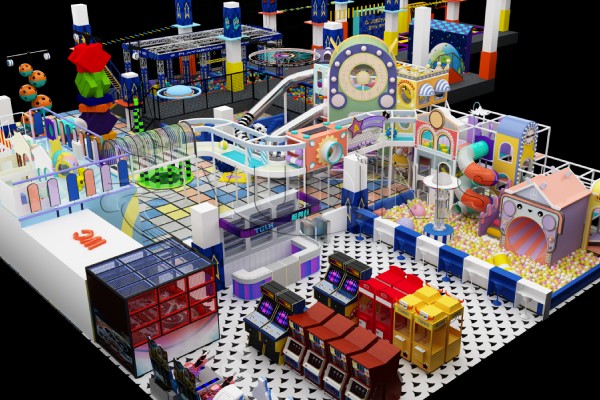
The design phase turns the brief into a tested visitor journey and an equipment plan. Concept sketches should show arrival, ticketing, shoe storage, play zones, adult sightlines, seating, toilets, and emergency exits as one connected system. The designer can then coordinate the attraction mix with the building’s structural, electrical, fire, and ventilation constraints. Review drawings at defined milestones rather than waiting for a finished package, and issue comments in writing so the approved revision remains clear. A turnkey playground delivery schedule from design to opening includes review points for the layout, theme, equipment schedule, finishes, and interfaces with local site work. Operators should walk the plan at busy periods on paper and check how queuing, buggies, and party groups affect circulation. Confirm that every play feature can be inspected and cleaned, and that supervision remains possible across age zones. When those issues are resolved before procurement, later changes are less expensive and the factory order is less likely to be placed against an incomplete design.
Control Procurement and Factory Production
Once the scope is frozen, procurement and production need their own decision schedule. The purchase order should identify approved drawings, material specifications, quantities, packaging, delivery terms, inspection points, and document deliverables. Manufacturing progress should be reported at visible milestones such as material release, frame fabrication, soft-play production, surface finishing, and pre-packing. Build a controlled list for owner-supplied items, including lighting, network equipment, flooring, signage, furniture, and point-of-sale hardware, because a late third-party item can delay an otherwise complete installation. The venue may also select a themed indoor playground package whose artwork, custom components, and site interfaces require extra approval time. Keep one dated action log across owner, designer, supplier, freight agent, and contractor. Factory photographs and sign-off sheets are useful only when they refer to the correct approved revision, so label each record with the project, drawing, and production reference.
Coordinate Shipping, Site Work, and Installation
Shipping and installation are often the least predictable stages because they depend on several parties working in sequence. Confirm packing dimensions, container loading, customs documents, delivery access, unloading equipment, storage conditions, and the order in which cartons should arrive. The site should be watertight, accessible, and ready for installation without unfinished floor, power, ceiling, or fire-system work blocking the crew. Publish a daily coordination plan that covers work areas, lifting operations, electrical isolation, waste removal, and site safety. An experienced Miland indoor playground manufacturer can align factory production with installation drawings, but the owner still needs to manage local permits and building interfaces. Record arrival condition, shortages, damage, and approved substitutions as they occur. Do not let urgent site decisions erase the inspection trail. A concise daily report with photographs, completed work, open issues, and next actions keeps remote decision makers informed and reduces the risk of discovering a missing component after the installation team has already left.
Plan Commissioning, Training, and Safety Checks
Commissioning begins before the venue accepts guests. Each attraction should be checked against its drawing, fixing schedule, material finish, guarding, access, and operating instructions. Test lighting, sound, emergency routes, communications, payment systems, and the movement of visitors through the finished space. Staff need practical training in supervision, age rules, cleaning, opening checks, incident reporting, and the conditions that require an attraction to close. Build a snag list with an owner, priority, and acceptance date, then verify corrections rather than relying on verbal assurance. The project schedule should reserve time for these checks instead of treating them as a short formality on the evening before opening. General principles of project management are useful here: define deliverables, assign responsibility, track dependencies, and review evidence at each gate. The operating team should also run a soft-opening scenario with invited guests or staff families so that queue design, signage, supervision, and cleaning routines can be adjusted while changes are still easy to make.
Use a Practical Handover Checklist Before Opening
Handover closes the project only when the operator can run the venue without relying on informal knowledge. Assemble as-built drawings, equipment schedules, warranties, inspection forms, spare-parts lists, training records, and approved operating instructions in one indexed file. Confirm that the installed equipment matches the approved layout and that every correction from the snag list has been accepted. Agree the support route for technical questions, replacement parts, and warranty claims, including named contacts and expected response times. A final walkthrough should involve the manager, maintenance lead, and front-of-house supervisor, because each person depends on different information. Set review dates for the first week, first month, and first quarter so recurring issues can be separated from one-off settling problems. Categories: Indoor Playground, Turnkey Playground Solutions, Project Planning, Commercial Playground Equipment, Family Entertainment Center, FEC Attractions. Tags: indoor playground project, turnkey playground, project timeline, playground design, commercial playground installation, FEC development. https://www.milandplay.com/indoor-playground-turnkey-solutions/