An 89-meter observation wheel is not suitable for every entertainment venue. Because of its scale, visual presence and project requirements, the best location normally needs sufficient land, strong visitor demand and a clear reason for introducing a major landmark attraction. DINIS currently lists large theme parks, city parks, tourism destinations and resorts among the application scenarios for its 89-meter model.
A practical 89-meter big wheel location planning process should therefore begin with the role the attraction will play within the destination, rather than simply asking where enough empty land is available.
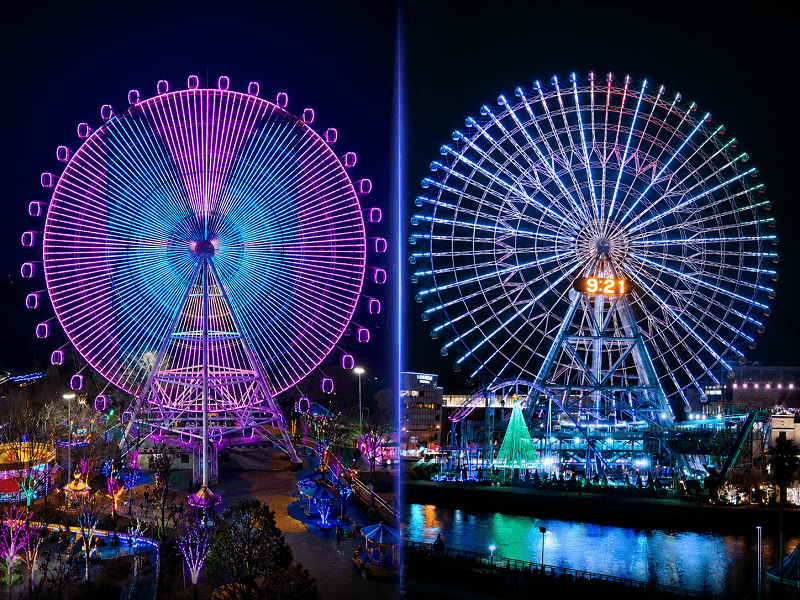
Are Large Theme Parks the Most Natural Location?
Large destination theme parks are one of the clearest applications for an 89-meter wheel.
These venues usually have enough attraction diversity for a major observation wheel to serve a different purpose from thrill rides, family rides and children’s attractions. Instead of competing only on ride intensity, the wheel can provide a slower sightseeing experience and become an orientation point within the wider park.
The site should still be selected carefully. Placing the wheel near a major pedestrian route can increase visibility, but the surrounding area also needs sufficient room for queues, entrances, exits and operational access.
Investors comparing different wheel scales can also review a giant Ferris wheel size and venue comparison. DINIS currently presents 49m, 66m and 89m giant-wheel options, allowing the attraction scale to be considered together with the size and positioning of the project.
Are Tourism Destinations and Scenic Areas Suitable?
Tourism destinations can be particularly suitable when the observation wheel contributes to sightseeing rather than functioning only as an amusement ride.
A location overlooking a recognizable landscape, lake, coastline, skyline or tourism district can make the elevated viewing experience more meaningful. The surrounding view should therefore be evaluated before the exact wheel position is fixed.
The objective is not simply to install the wheel at the geographic center of the site. A position with a stronger view corridor and clearer visibility from approaching visitors may create a more logical relationship between the ride and the destination.
This is also why the idea of a landmark is useful when planning a giant wheel. A landmark is valuable partly because it helps define and identify a place, so the wheel’s visual relationship with its surroundings matters.
Can an 89m Wheel Work in a City Park?
Yes, provided the city park has the necessary project conditions.
A large observation wheel can become a focal attraction in a major public leisure area, but public-space projects need especially careful pedestrian planning. Visitors using the park for walking, sports or general recreation should not be forced through the ride queue or operational zone.
Transport access also matters. A large attraction can generate concentrated visitor arrivals, so drop-off areas, parking, public transport connections and pedestrian routes should be considered together.
The visual effect should also suit the wider urban environment. In some projects the wheel is intended to dominate the skyline; in others a smaller observation wheel may fit the scale of the surrounding district more naturally.
What About Resorts and Large Commercial Tourism Projects?
Resorts can use an observation wheel as part of a broader leisure experience.
For example, a destination combining accommodation, restaurants, entertainment and outdoor attractions may benefit from having one visually recognizable centerpiece that helps connect the different zones.
A commercial 89m observation wheel venue selection should nevertheless consider whether resort guests alone can support the attraction or whether the wheel is also expected to attract outside visitors.
The more the project depends on external visitors, the more important road access, parking, ticketing strategy and visibility from surrounding areas become.
What Site Conditions Should Be Checked Before Choosing the Position?
The product page currently shows several 89-meter structural configurations with different footprint dimensions, which means the exact equipment envelope depends on the selected design.
Investors should provide accurate site dimensions rather than a rough total land area. The useful information includes the proposed equipment zone, surrounding buildings, existing rides, access roads, underground utilities, height restrictions and passenger circulation.
The DINIS destination-park planning team can then evaluate the equipment together with the wider project layout rather than treating the Ferris wheel as an isolated structure.
Which Location Is Ultimately the Best?
The best location is where three conditions overlap: the site can physically support the selected configuration, visitors can access it efficiently, and the wheel contributes clearly to the identity or sightseeing value of the destination.
A large theme park may use it as a signature family attraction. A city park may use it as an urban focal point. A tourism destination may prioritize the surrounding view, while a resort may use the wheel to connect several leisure functions into one recognizable destination.
The final location should therefore be chosen from the complete site plan, not from height or visual impact alone.
Detailed 89-meter observation wheel information is available at https://themeparkprojects.com/89m-giant-ferris-wheel-for-sale/